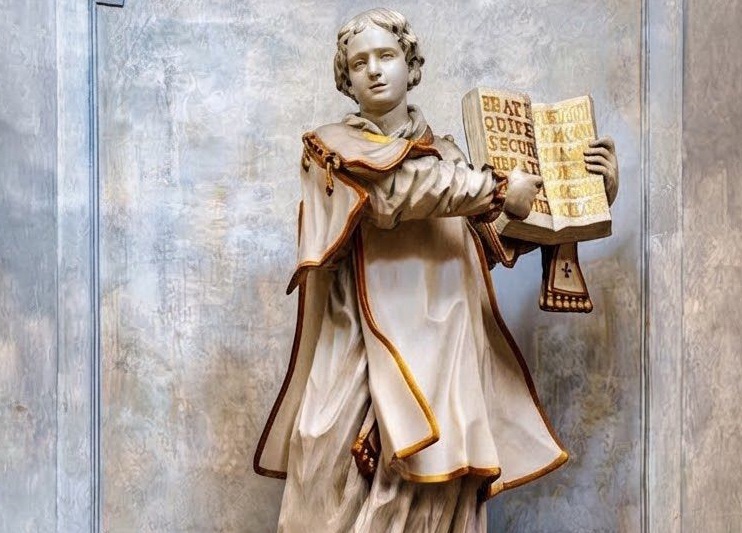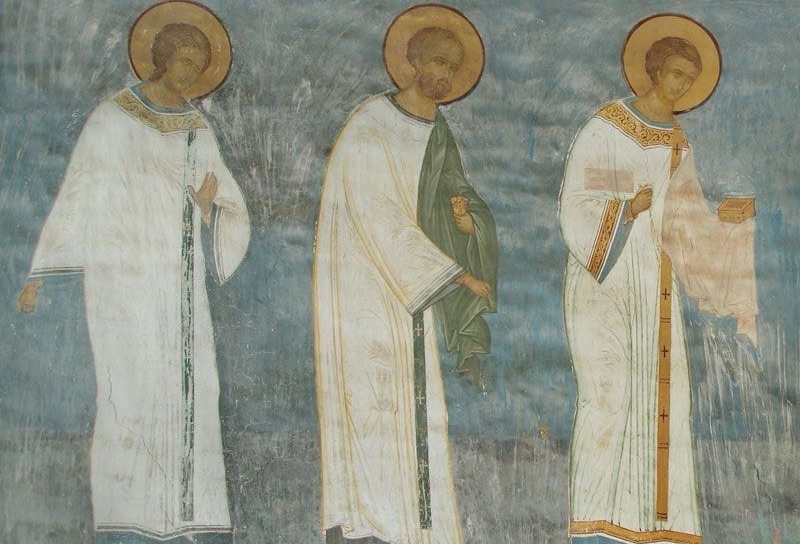
The Oriental Orthodox Church has two categories of clerics: the Major and Minor Orders. The Major Orders are those ranks by which a man receives the sacrament of Holy Orders / Priesthood. The three levels of the Priesthood are the Bishop, Presbyter, and Deacon. These ranks are conferred by a canonical and valid Orthodox Bishop through the laying on of hands.
Pope Shenouda III:
“We see that non of the elected were authorised to commence their work until the apostles had laid their hands on them. Even the deaconship, no one can carry out its duties without canonical ordination.”
— The Priesthood, Pg. 42.
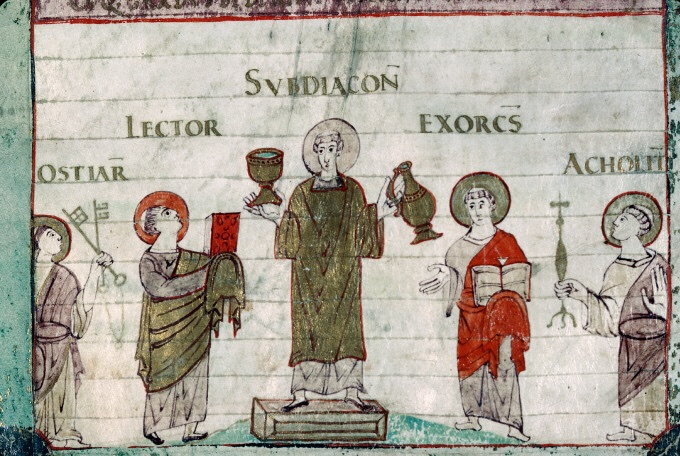
The Minor Orders are non-priestly ranks. In order words, they are not conferred by the laying on of hands as they are not of apostolic origin; but are nevertheless ancient ecclesial offices which developed following the death of the Apostles for the service of the Church. The Minor Orders of the Oriental Orthodox Church are: Door Keeper, Reader, Exorcist, Candle Bearer, and Sub Deacon. Yet, some of these minor ranks only exist in certain jurisdictions.
Continue reading “The Minor Orders of the Oriental Orthodox Church”