Old Testament Typology: The Ancient Deluge, the Ark, and the Foreshadowing of Christ

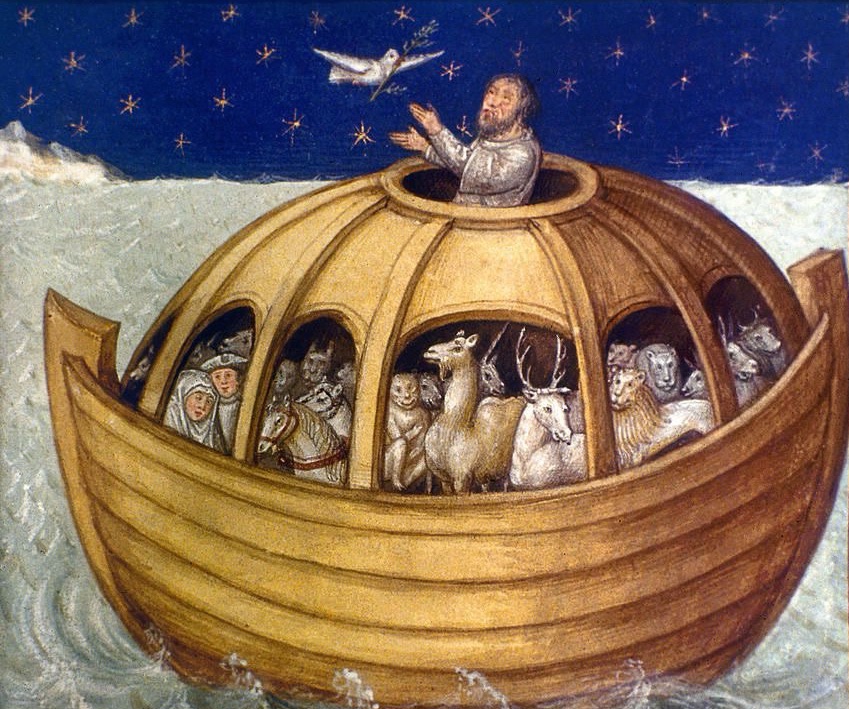
In Orthodox Christian theology, there is a form of biblical exegesis that is used to pinpoint prophetic symbols, events, and statements which foreshadow the Word Incarnate known as Old Testament typology. Though there are multiple examples that we could examine, we will only be discussing one within this essay, namely: Noah’s Ark. The prophet Moses tells us that during the antediluvian period, God was displeased with mankind due to their accumulation of wicked deeds, practices, and thoughts. In the words of our Blessed Lord:

“I will blot out man whom I created from the face of the earth, from man to cattle, and from the creeping things to the birds of heaven, for I am grieved I made them” (Genesis 6:7).

A source of God’s outrage was that man — who was granted the gift of immortality — was tragically returning to corruption, sin, and death as a result of the fall. Therefore, man was in fact subjecting themselves to these perils and as a result was consequently perishing.  St. Athanasius gave us an image of sin running rampant upon the earth when he said: 

“[Man] having to begin with been inventors of wickedness and called down upon themselves death and corruption; while later on, having turned aside to wrong and exceeding all lawlessness, and stopping at no one evil but devising all manner of new evils in succession, they have become insatiable in sinning. For there were adulteries everywhere and thefts, and the whole earth was full of murders and plunderings. And as to corruption and wrong, no heed was paid to law, but all crimes were being practised everywhere, both individually and jointly. Cities were at war with cities, and nations were rising up against nations; and the whole earth was rent with civil commotions and battles; each man vying with his fellows in lawless deeds. Nor were even crimes against nature far from them…”

– On the Incarnation, 5.3-8.
Continue reading “Old Testament Typology: The Ancient Deluge, the Ark, and the Foreshadowing of Christ”

The Dormition & Assumption of the Holy Theotokos: Is It Biblical?

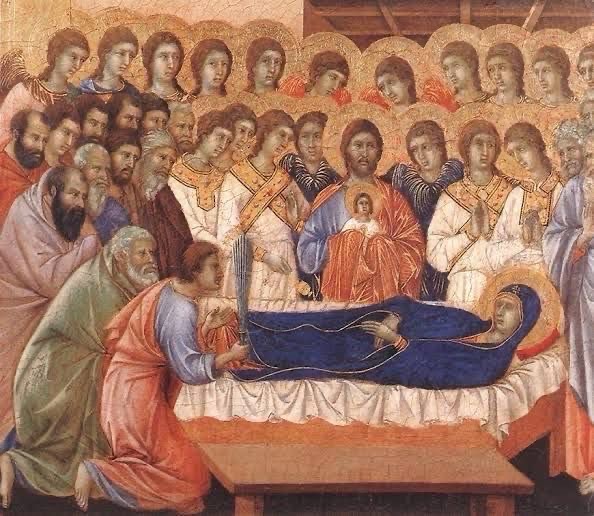
Today is the 21st day of the month of Tir. In the Tewahedo and Coptic Orthodox Churches, we celebrate the feast of St. Mary’s Dormition (Latin: dormitio; viz., a falling asleep).

The Orthodox Church teaches that at the very end of St. Mary’s life, and after many years of praying before the empty tomb of her beloved Son and God Jesus Christ, she was promised a glorious death. This eventually took place in the presence of Our Lord, His Angels, and the Apostles in her 60th year with the exception of St. Thomas who was preaching in India. The apostles who were present buried her body in Gethsemane, per the command of what they heard from the Holy Spirit. By the Divine intervention, St. Thomas was transported on a cloud before her deceased body in Gethsemane. He later saw the angels of God carrying St. Mary’s Body into heaven; placing her under the Tree of Life in the Eternal Garden of Paradise (c.f. Rev 22:1-5) that it may be united with her soul that was clothed in a veil of light by her Son. When he revealed what he saw to the rest of the apostles, they opened her tomb to not find her body; but to only smell a sweet fragrance. They rejoiced in this as this confirmed their faith in the Christ’s Resurrection by which we will all share in per the promise of our Lord. This is what the Apostles prayed for, hoped in, and preached to the world; despite the persecutions which came with it as they took comfort in what is to come.

But where is this event of the Assumption in the Holy Bible? Some hold to the opinion that perhaps the four gospels and the epistles were completed prior to this event. I happen to agree with this theory, especially given the Church’s Tradition which references the deaths of certain apostles — who were resurrected following their martyrdoms just to be present with the Theotokos for this moment.

Continue reading “The Dormition & Assumption of the Holy Theotokos: Is It Biblical?”

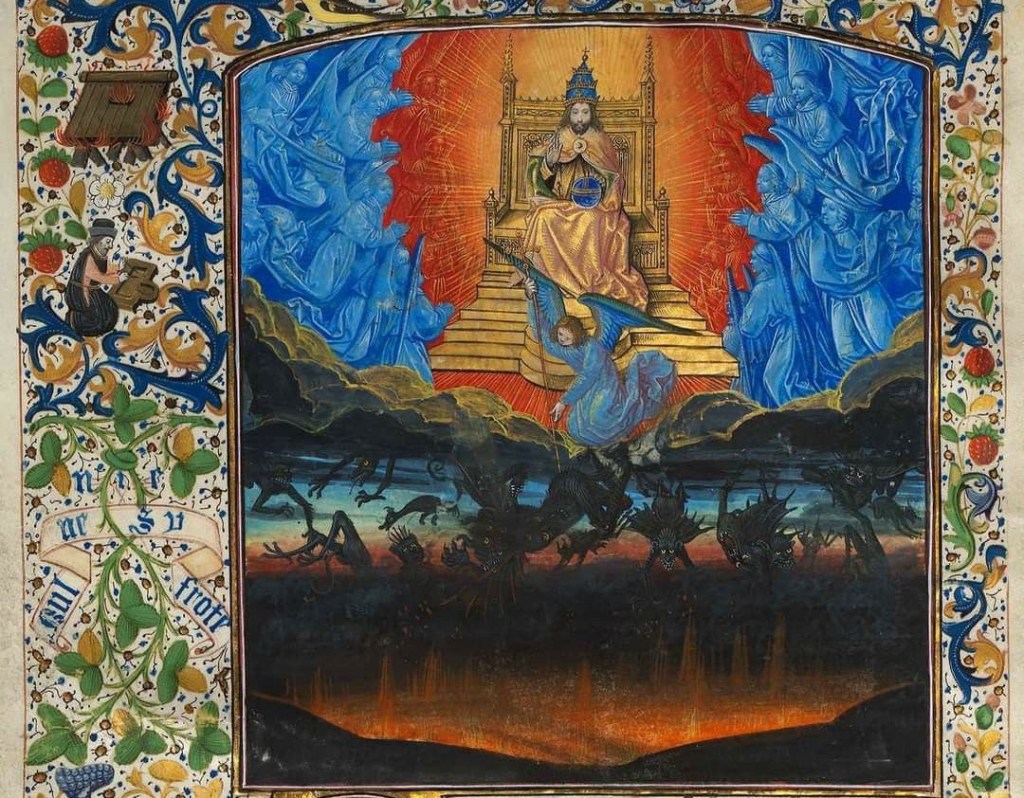
On the Rejection of Divine Order and the Rise of Chaos

In the very beginning, Christ the Eternal Word created order. He created the law of physics, assigned all of the celestial bodies to their proper places, divided the waters, made land appear, etc. (See Genesis 1).

He likewise created mankind, who was made in His very image and likeness. Thus, man was granted a gift to have a share in expressing the mind of God in a limited degree, which is why Man has rationality and therefore free will. Hence, man was granted a gift in assisting God in keeping order (not that God needed an assistant, but willfully shared limited authority with Man out of His Love, as, again, they were made in His image):

“Then the Lord God took the man He formed and put him in the garden to tend and keep it.”

– Genesis 2:15.

Divine Inspiration tells us that this gift was abused, and that order was rebelled against, as in the case of our first parents who ate of the forbidden fruit (Genesis 3). Thus, God’s original plan and intention for us to never die was ruined by the fault of man; who dethroned God and His will from their hearts and enthroned themselves and their own will.

And what was the offspring of it, save: corruption, sin, and death? And from what sprouted from this poisonous plant but war, destruction, enmities, famines, and the like? If dethroning God from one’s heart individually brings forth spiritual, mental, and even physical mayhem and internal bitter poison; how much more the world?

Continue reading “On the Rejection of Divine Order and the Rise of Chaos”