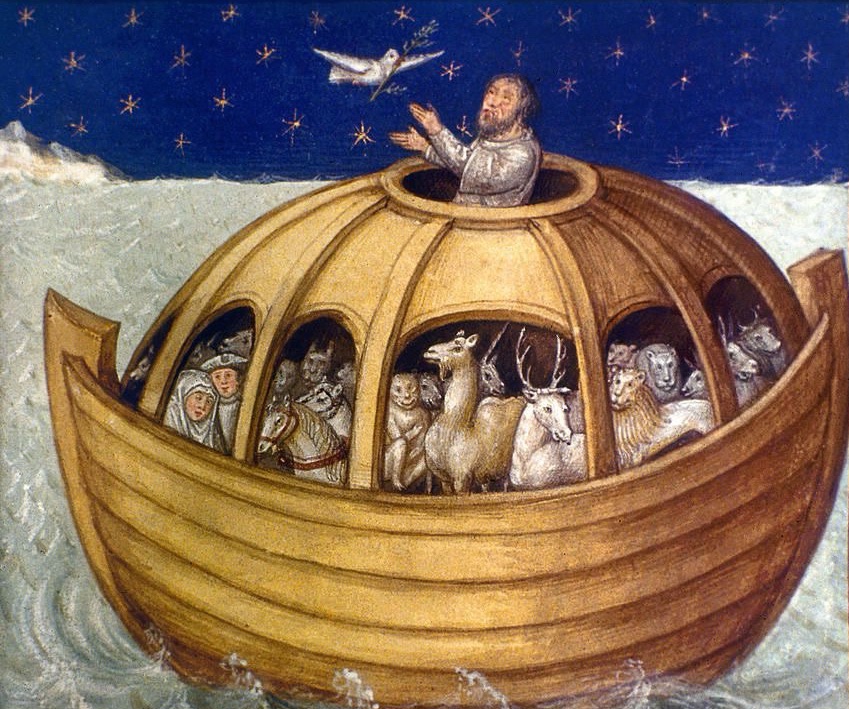
In Orthodox Christian theology, there is a form of biblical exegesis that is used to pinpoint prophetic symbols, events, and statements which foreshadow the Word Incarnate known as Old Testament typology. Though there are multiple examples that we could examine, we will only be discussing one within this essay, namely: Noah’s Ark. The prophet Moses tells us that during the antediluvian period, God was displeased with mankind due to their accumulation of wicked deeds, practices, and thoughts. In the words of our Blessed Lord:
“I will blot out man whom I created from the face of the earth, from man to cattle, and from the creeping things to the birds of heaven, for I am grieved I made them” (Genesis 6:7).
A source of God’s outrage was that man — who was granted the gift of immortality — was tragically returning to corruption, sin, and death as a result of the fall. Therefore, man was in fact subjecting themselves to these perils and as a result was consequently perishing. St. Athanasius gave us an image of sin running rampant upon the earth when he said:
Continue reading “Old Testament Typology: The Ancient Deluge, the Ark, and the Foreshadowing of Christ”“[Man] having to begin with been inventors of wickedness and called down upon themselves death and corruption; while later on, having turned aside to wrong and exceeding all lawlessness, and stopping at no one evil but devising all manner of new evils in succession, they have become insatiable in sinning. For there were adulteries everywhere and thefts, and the whole earth was full of murders and plunderings. And as to corruption and wrong, no heed was paid to law, but all crimes were being practised everywhere, both individually and jointly. Cities were at war with cities, and nations were rising up against nations; and the whole earth was rent with civil commotions and battles; each man vying with his fellows in lawless deeds. Nor were even crimes against nature far from them…”
– On the Incarnation, 5.3-8.

 Faith Unto Ages