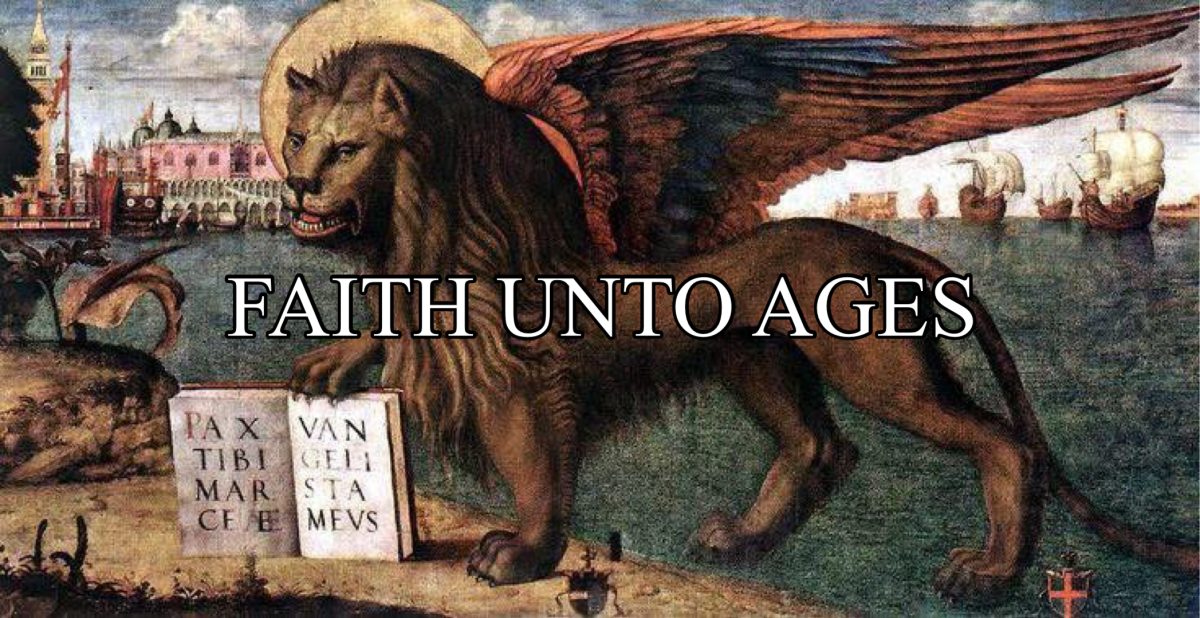
On Moderation of Speech – St. Ambrose of Milan

“Let us then guard our hearts, let us guard our mouths. Both have been written about. In this place we are bidden to take heed to our mouth; in another place you are told: “Keep your heart with all diligence” (Proverbs 4:23).

If David took heed, will you not take heed? If Isaiah had unclean lips — who said: “Woe is me, for I am undone, for I am a man, and have unclean lips” (Isaiah 6:5) — if a prophet of the Lord had unclean lips, how shall we have them clean?

But for whom was it written, unless it was for each one of us: “Hedge your possession about with thorns, and bind up your silver and gold, and make a door and a bar for your mouth, and a yoke and a balance for words” (Sirach 28:24-25)?

Continue reading “On Moderation of Speech – St. Ambrose of Milan”
The Theology of the Holy Trinity – St. Gregory of Narek

“Beneficent, almighty, awe-inspiring God, good Father, charitable donor of mercy, whose very name heralds the good news of your grandeur, compassion and fatherly affection, you are gentle even toward the bitter and discontented.

With you also is your Son, who is like you, whose hand is strong like yours, whose awesome reign is eternal like yours, whose exaltation is shared with you in your creation.

So too the Holy Spirit of your truth, that flows from you without end, the perfect essence of existence and eternal being, is equal to you in all things, reigning with the Son in equal glory.

Three persons, one mystery, separate faces, unique and distinct, made one by their congruence and being of the same holy substance and nature, unconfused and undivided, one in will and one in action.

One is not greater, one is not lesser, not even by an eyelash, and because of the unobscurable light of heavenly love revealed in our midst both have been glorified with a single crown of holiness from before the ages.”

– (Speaking with God from the Depths of the Heart, Prayer 13, A).

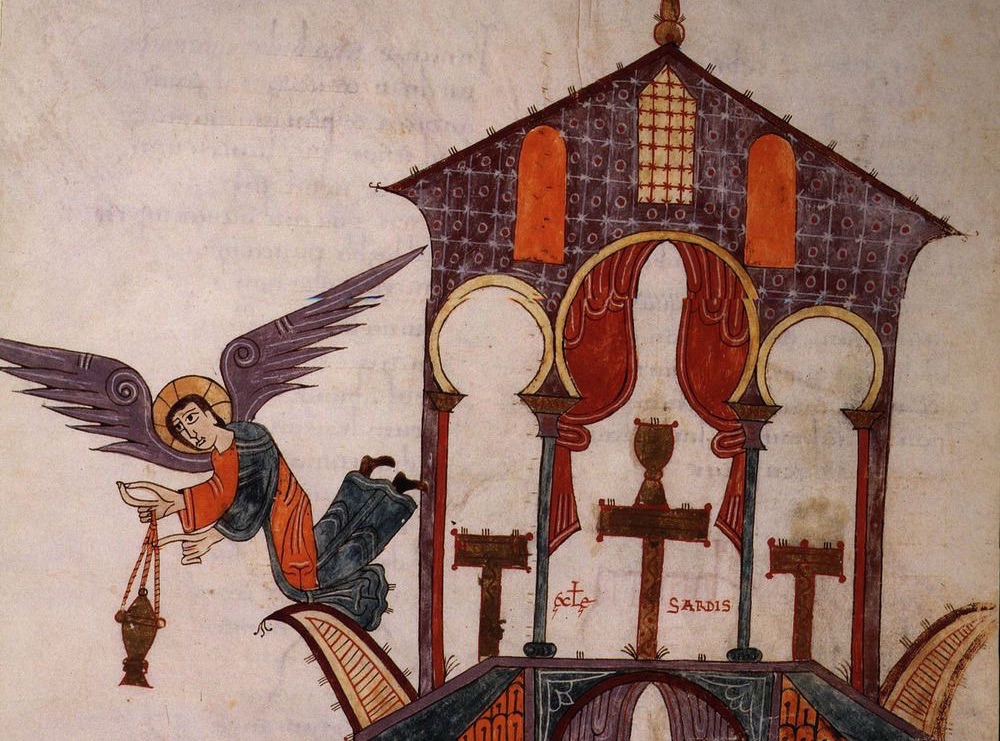
Lenten Reflection: What the Censor can Teach Us about Ourselves

A vessel which is used within the Divine Liturgies of the Orthodox Church is the Censor. It has various other names as well, such as Thurible, Shoria, Tsena, and Poorvar.

It has its origins in the Old Testament Levitical offerings, with God commanding through Moses that Aaron “shall then take a censer full of burning coals of fire from the altar before the Lord, with his hands full of the incense compound, beaten fine, and bring it inside the veil. He shall put the incense on the fire before the Lord, that the cloud of incense may cover the mercy seat on the testimonies, lest he die” (Leviticus 16:12-13).

Continue reading “Lenten Reflection: What the Censor can Teach Us about Ourselves”