Lenten Reflection: What the Censor can Teach Us about Ourselves

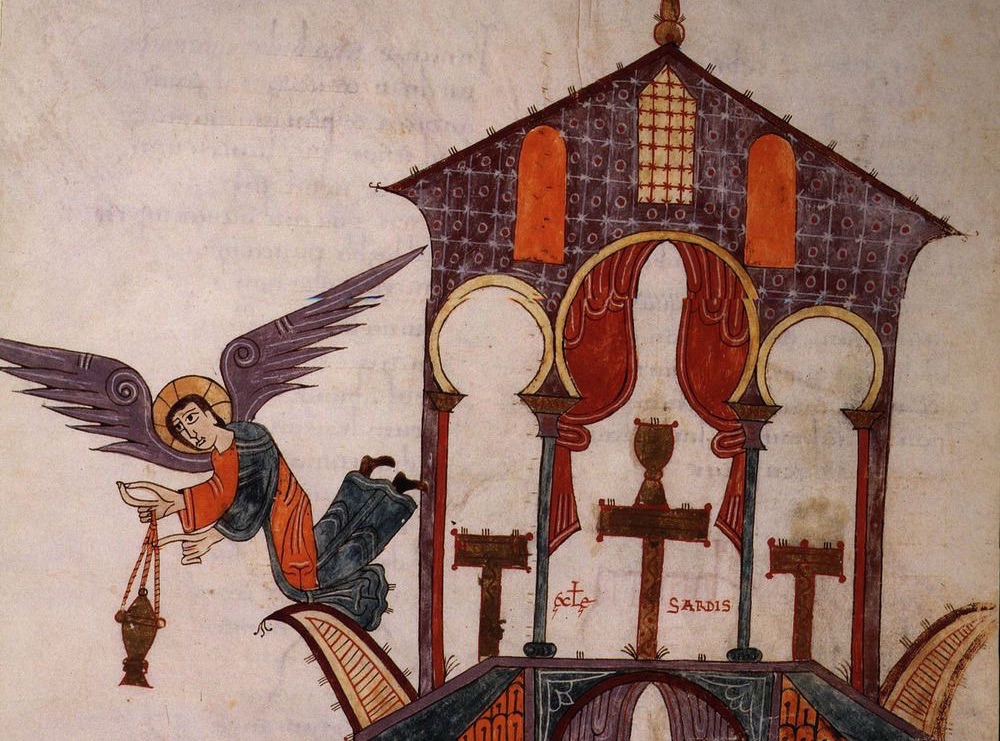
A vessel which is used within the Divine Liturgies of the Orthodox Church is the Censor. It has various other names as well, such as Thurible, Shoria, Tsena, and Poorvar.

It has its origins in the Old Testament Levitical offerings, with God commanding through Moses that Aaron “shall then take a censer full of burning coals of fire from the altar before the Lord, with his hands full of the incense compound, beaten fine, and bring it inside the veil. He shall put the incense on the fire before the Lord, that the cloud of incense may cover the mercy seat on the testimonies, lest he die” (Leviticus 16:12-13).

Continue reading “Lenten Reflection: What the Censor can Teach Us about Ourselves”

An Apologia for the Historic Accuracy of the Bible: The Last Supper & Liturgical Tradition

Just like many other topics which involve scripture, the accuracy and historic authenticity of the Last Supper has been challenged by skeptics. As a result, there were ideas which suggested that the narratives regarding the first Eucharist were not entirely factual, but was instead influenced by early Christian worship. For example, the Lutheran theologian and biblical scholar Rudolf Bultman has made the argument that “while Jesus may indeed have held a final meal with His disciples, the narratives as we have them are creations of the early church and so can tell us nothing about the actual historical roots of the Eucharist but can only witness to its later development.” 1

Continue reading “An Apologia for the Historic Accuracy of the Bible: The Last Supper & Liturgical Tradition”

St. Athanasius’ Apologia For the Incarnation, Pt. 2 – Refutation of the Jews and Gentiles

Introduction:

Throughout the work “On the Incarnation”, St. Athanasius had diligently made efforts to refute the skepticism of both the Jews and Gentiles alike; who found the dogmas of the Orthodox Church regarding Jesus’ Incarnation to be irrational. In response, the saint had appealed to scripture, reason, philosophy, and common sense to show that the skeptics had a position which was without any solid foundation. Throughout this essay, I will be demonstrating how St. Athanasius has argued against both camps; showing that he, just like St. Paul, was indeed by the Grace of God “appointed for the defense of the Gospel” (Philippians 1:17).

Continue reading “St. Athanasius’ Apologia For the Incarnation, Pt. 2 – Refutation of the Jews and Gentiles”